English| EUR
Suggested for you
More currencies
Choose a language
Barcelona's food scene is built on centuries of Catalan tradition, Mediterranean ingredients, and a fierce local pride in market-fresh cooking. This guide covers the dishes that define the city, the markets where locals shop, and the neighborhoods where you'll find them served properly.
Quick answer
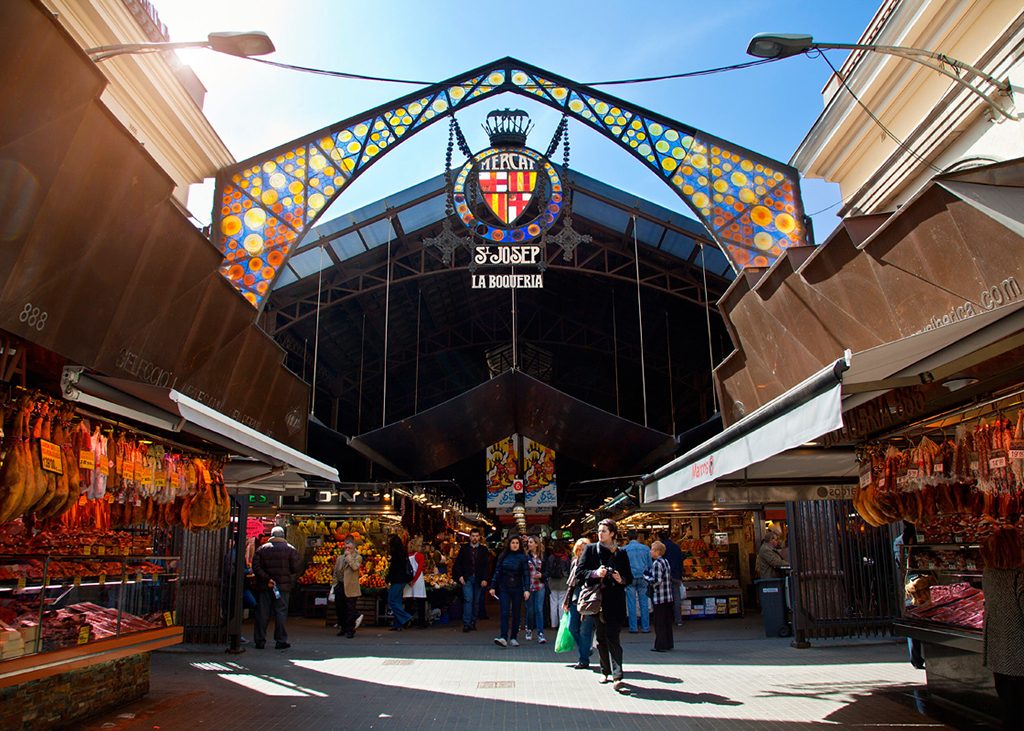
The must eat in Barcelona list starts with pa amb tomàquet (tomato bread), patatas bravas, jamón ibérico, and bombes—but the real foundation is the market culture. La Boqueria, open Monday through Saturday from 08:00 to 20:30, anchors the Rambla and serves as both a working market and a window into Catalan ingredients. Arrive between 08:00 and 10:00 to see it at full operation before tourist crowds fill the aisles.
Barcelona eats on a different clock than most European capitals. Lunch runs from 14:00 to 16:00, dinner starts at 21:00, and the city's bar culture fills every gap in between with vermouth, small plates, and standing-room conversations. The food itself is Catalan first—rooted in the Mediterranean triad of olive oil, wine, and wheat—but shaped by centuries of trade, immigration, and a refusal to let tradition ossify. Pa amb tomàquet is the baseline: toasted bread rubbed with garlic, crushed tomato, olive oil, and salt. It appears at every meal, under every tapa, and in every neighborhood from Gràcia to Barceloneta. The quality of the tomato and the oil is the only variable that matters. Bombes are the city's other foundational plate—potato croquettes stuffed with meat, fried, and topped with aioli and spicy brava sauce. They originated in La Cova Fumada, a Barceloneta tavern that still makes them by hand, and they've since become shorthand for Barcelona bar food. The Mercat de la Boqueria sits just off the Rambla at number 91, a cast-iron hall that opened in 1840 and now holds more than 200 stalls. It closes on Sundays, but Monday through Saturday it operates from 08:00 to 20:30, with the first two hours offering the clearest view of how Barcelona actually shops. Fishmongers arrange Mediterranean catch on ice, jamón vendors carve legs of acorn-fed ibérico, and fruit stalls stack seasonal produce in geometric towers. The market has a tourist perimeter—juice bars and pre-cut fruit near the entrance—but the interior remains a working wholesale and retail space where chefs and home cooks buy for the day. Essential Barcelona foods also include escalivada (roasted vegetables dressed in olive oil), esqueixada (shredded salt cod salad with tomato and onion), and calçots in winter—long green onions charred over vine cuttings and dipped in romesco sauce. The city's tapas bars serve these alongside anchovies, grilled octopus, and pan-fried pimientos de padrón. Neighborhoods matter: El Born and Sant Antoni hold the highest concentration of serious bar kitchens, while Poble-sec lines Carrer de Blai with budget pintxo counters. La Boqueria remains the anchor, free to enter and open six days a week, a edible cross-section of Catalan ingredient culture.
“The quality of the tomato and the oil is the only variable that matters.”
La Boqueria serves as the primary gateway for sampling regional produce, ranging from fresh seafood to artisanal cheeses. While the market provides immediate access to high-quality ingredients, exploring the surrounding streets of El Raval offers quieter dining alternatives away from the main tourist paths.
market
Located at La Rambla, 91, this market features stalls selling fresh fruit juices, jamón ibérico, and prepared seafood dishes.
restaurant
Situated inside the market, this counter-service spot specializes in traditional egg dishes and market-fresh tapas.
restaurant
Found near the market entrance, this venue is known for its coffee and classic Catalan small plates prepared with seasonal ingredients.
market
Located a short walk away in the Born district, this market provides a less crowded environment to find local cheeses and empanadas.
street
The narrow alleys surrounding the Boqueria offer various small eateries serving affordable menus del día that contrast with market prices.
The market operates six days a week with consistent daily hours. Please note that the facility is closed on Sundays.
The best time to visit is during the early morning hours to navigate the market stalls before the midday congestion. Arriving between 08:00–10:00 ensures you see the market at its freshest while avoiding peak tourist volume.
—
These hours offer the most manageable space to navigate stalls and interact with vendors.
Mild temperatures (15-22°C)
Pleasant weather makes outdoor walking between market locations comfortable.
Cool temperatures (12-20°C)
The humidity decreases and fresh seasonal produce arrives in the market.
Warm temperatures (23-29°C)
Expect high visitor density and warmer conditions throughout the day.
Verdict: Tuesday to Thursday, 08:00–10:00, during April or October offers the optimal balance of lower crowds and seasonal market quality.
La Boqueria is located at La Rambla, 91, 08001 Barcelona, Spain. The most efficient way to access the market is via the city's extensive public transit network.
L3 (Green Line) to Liceu station
Lines 59, 91, or V13 to La Rambla - Liceu
Drop-off at La Rambla
Arrive between 08:00–10:00 to avoid peak crowds and see the market at its freshest. Using the Liceu metro station provides the most direct pedestrian access to the main entrance.
Everything you need to know about must eat in barcelona
To find what you must eat in barcelona, focus on local staples like jamón ibérico, fresh seafood, and pan con tomate. Many travelers also seek out regional cheeses and Catalan desserts to complete their experience. Exploring a guided tapas crawl often provides the best access to these traditional delicacies.
You should arrive between 08:00–10:00 to see the market at its freshest and avoid peak crowds. This early window is the best time to find what you must eat in barcelona before the stalls become overly busy. Visiting during these morning hours ensures a more relaxed atmosphere for browsing local ingredients.
Entrance to the famous Mercat de Sant Josep de la Boqueria is 0 EUR as it is a public space. You will find that finding what you must eat in barcelona does not require an admission ticket to the market itself. Budget your money for the diverse culinary offerings instead of entry fees.
Yes, these food markets are generally family-friendly and offer a great sensory experience for children. Introducing kids to the variety of fruits, pastries, and snacks is a highlight for many visitors. Just be mindful of the crowd density, especially during mid-day hours.
A common mistake is overlooking the importance of local expert guidance when selecting a barcelona food tour. Without professional insights, it is easy to miss the hidden stalls that locals frequent. Relying on curated paths ensures you truly discover what you must eat in barcelona.
The central market is located at La Rambla, 91, which is highly accessible by public transport. You can easily reach this landmark via metro or bus lines serving the city center. Once you arrive, you will be steps away from the heart of the local gastronomy.