English| EUR
Suggested for you
More currencies
Choose a language
Barcelona's food identity is built on simplicity and place—ingredients sourced from La Boqueria or Mercat de Sant Antoni, cooked with Catalan restraint, and eaten in rhythms the city has kept for generations. This guide walks you through the dishes locals order, the markets they shop, and the meal patterns that shape a day in the city.
Quick answer
Barcelona is known for pa amb tomàquet (tomato-rubbed bread), calçots with romesco sauce, bomba potatoes, seafood from the Mediterranean, vermouth culture, and the market-driven cuisine of La Boqueria. The city's food revolves around Catalan staples, seasonal produce, and neighborhood restaurants where menus change with what vendors bring in each morning. Most iconic dishes are available year-round, though calçots are a winter specialty from January through March.
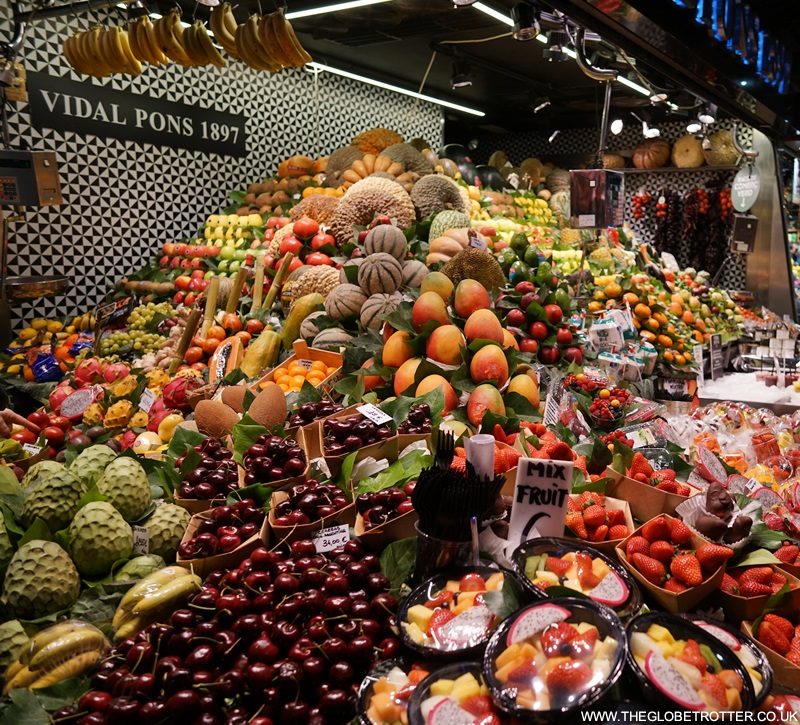
Pa amb tomàquet appears on nearly every table in Barcelona, regardless of the meal or the venue. It is bread rubbed with ripe tomato, drizzled with olive oil, salted, and served as a base, a side, or a first course. The dish relies entirely on the quality of its three components, and Catalans argue about the correct tomato variety the way other cities debate pizza dough. What food is Barcelona known for begins here, with this preparation that doubles as both daily staple and cultural litmus test. The city's cuisine is shaped by proximity to the sea and the rhythm of its central markets. La Boqueria, Mercat de la Llibertat, and Mercat de Sant Antoni open early and close by mid-afternoon, supplying restaurants and home kitchens with seafood pulled from the Mediterranean that morning, vegetables grown in the Baix Llobregat agricultural belt, and cured meats from the Pyrenees. Bomba, a fried potato croquette stuffed with minced meat and topped with allioli and brava sauce, was invented at La Cova Fumada in Barceloneta and remains a neighborhood fixture. Calçots—long green onions charred over vine cuttings and served with romesco, a sauce of almonds, hazelnuts, and nyora peppers—are a winter ritual, eaten communally in the countryside or at city restaurants that build entire menus around them between January and March. Vermouth culture anchors the late-morning social window between Saturday market trips and lunch. Bars across Gràcia, Eixample, and the Gothic Quarter pour house vermut on tap, served with olives, potato chips, and pickled mussels. The drink is sweet, herbal, and tied to a specific time of day; ordering it after 14:00 marks you as a visitor. Seafood—particularly grilled sardines, suquet de peix (fish stew), and arroz caldoso (soupy rice with shellfish)—dominates coastal neighborhoods like Barceloneta, where restaurants source directly from Mercat de la Barceloneta and print menus in Catalan first. The food that defines Barcelona is less about innovation than about repetition and seasonality, dishes that appear daily because the ingredients arrive daily, cooked in ways that have not needed to change. What food is Barcelona known for is ultimately a question of rhythm as much as recipe. Breakfast is small, lunch is the anchor meal, and dinner comes late. Markets open at dawn, close by 15:00, and dictate what ends up on the menu that night. The city eats well not because of its restaurants alone but because its supply chain is short, its expectations are high, and its culinary identity is tied to a specific geography and a set of ingredients that do not travel far from their source.
“Pa amb tomàquet relies entirely on the quality of its three components, and Catalans argue about the correct tomato variety the way other cities debate pizza dough.”
Barcelona's culinary identity is rooted in Catalan traditions, emphasizing fresh market ingredients and simple preparations. Exploring local markets and traditional taverns offers the most authentic way to experience these regional flavors.
market
Located on La Rambla, this market provides access to fresh produce and local snacks like botifarra sausages.
restaurant
Situated near the Picasso Museum, this historic venue specializes in cava and traditional tapas such as boquerones.
restaurant
Found just off La Rambla, this establishment serves refined versions of regional classics like escalivada and fresh seafood.
café
Tucked away in the El Raval neighborhood, this historic café is known for serving traditional crema catalana.
restaurant
Located in the Barceloneta district, this family-run spot is famous for inventing the bomba, a potato and meat croquette.
To experience the local food scene without peak tourist density, plan your visit during the shoulder seasons and prioritize early morning arrivals. The best arrival window is 09:00–11:00 to avoid peak lunch crowds at popular markets and restaurants.
—
This is the most effective window to explore public markets and local eateries without congestion.
Mild with temperatures 15°C–22°C
Spring offers pleasant conditions for walking between culinary destinations before the summer heat arrives.
Cooler with temperatures 12°C–20°C
Autumn months provide a quieter atmosphere after the peak summer tourist season concludes.
Warm with temperatures 23°C–29°C
Popular spots experience maximum demand; planning visits outside of standard 13:00–15:00 lunch hours is recommended.
Verdict: The optimal time to explore is Tuesday to Thursday between 09:00–11:00 during the months of April or October.
Public markets and general dining establishments in Barcelona maintain consistent operating access throughout the week. Visitors can explore these locations daily to discover what food is Barcelona known for.
Exploring the food culture of Barcelona primarily takes place within public markets and restaurants. There are no admission fees required to enter these culinary venues.
Verdict: A typical visitor pays 0 EUR for entry, as access to public food markets and dining establishments is free.
Navigating the local dining culture requires understanding the rhythm of meal times and the social nuances of ordering tapas.
Eat lunch between 14:00 and 15:30 and dinner after 21:00 to align with local customs. Dining earlier often means you will be eating in places serving tourists rather than locals.
Tapas are typically meant to be shared rather than ordered as individual main courses. Order a few plates for the table and continue adding more as you decide what you enjoy.
Waitstaff rarely bring the check until you explicitly ask for it, as they consider it rude to rush diners. Signal your server with a polite wave or by saying 'la cuenta, por favor' when you are ready to depart.
Do not be surprised to see a charge for bread or olives on your bill, even if you did not explicitly order them. These are standard accompaniments in many traditional establishments.
Tipping is not mandatory in Barcelona, and leaving a large percentage is not expected. Rounding up to the nearest few euros or leaving a small amount of change is sufficient for good service.
Everything you need to know about what food is barcelona known for
Barcelona is famous for dishes like paella, fideuà, and escalivada, along with fresh seafood from the Mediterranean. Many visitors often research what food is barcelona known for to ensure they experience authentic Catalan flavors. Sampling tapas, jamón ibérico, and crema catalana are highlights for any culinary explorer. Learning what food is barcelona known for helps you appreciate the local Mediterranean diet and traditions.
Public markets are generally accessible throughout the week from 00:00–23:59. This flexibility allows you to plan your visit around other sightseeing activities without strict schedule constraints. You can easily integrate a market visit into your day regardless of when you arrive.
Entry to public markets and restaurants is 0 EUR. There are no admission costs for browsing these vibrant local spaces. This allows you to allocate your budget entirely toward tasting the local cuisine.
The best arrival window is 09:00–11:00 to ensure you have a pleasant experience. Starting early is a great strategy to enjoy the atmosphere before the daily rush begins. This window also offers the best lighting for visiting traditional food hubs.
Beyond the main dishes, Barcelona is celebrated for its local cava, xató, and variety of cheeses. Knowing what food is barcelona known for allows you to confidently navigate menus at local establishments. These specialties reflect the rich agricultural history of the surrounding Catalonia region.
To avoid peak lunch crowds, plan your visits during the recommended morning window of 09:00–11:00. This timing helps you secure seating and enjoy more personal interaction with local vendors. It is the most effective way to navigate popular dining districts comfortably.
Local food markets are generally welcoming to families and offer a variety of fresh snacks that appeal to younger palates. You can introduce children to local produce and light bites in a casual setting. Ensure you check individual restaurant policies if you plan for a formal sit-down meal.
A common mistake is assuming all restaurants near major attractions serve authentic local cuisine. To find out what food is barcelona known for in an authentic setting, look for establishments that prioritize seasonal, locally sourced ingredients. Seeking out places frequented by locals often leads to a more rewarding culinary experience.